Digital Marketing vs Traditional Marketing: Which Drives Growth?
Quick Summary: Digital marketing wins for urgent leads-like a homeowner searching for an emergency plumber-because it captures intent with SEO and Google Ads, delivering measurable results fast. Traditional methods like print or radio build local trust but lack precision, so pair them with trackable calls or QR codes to prove their value. The real growth comes from a website that converts attention into booked jobs, not just traffic. Spend based on what actually drives profitable leads, not just clicks.
A homeowner needing an emergency roofer is ready to act. In digital marketing vs traditional marketing, SEO, Google Ads, and a strong site reach that demand and track leads. Local print, radio, and signage still build trust. This digital marketing vs traditional marketing guide compares cost, speed, targeting, measurement, and the customer path so you can spend with purpose.
Digital Marketing vs Traditional Marketing: At a Glance
| Digital marketing | Traditional marketing | |
|---|---|---|
| Primary channels | SEO, Google Ads, social, email, websites | Print, direct mail, radio, TV, events, signage |
| Best for | Demand capture, lead generation, and measurable growth | Broad awareness, community presence, and offline trust |
| Targeting | Audience, location, keyword, device, and behavior targeting | Geography, publication, station, audience, or event |
| Speed to results | Paid results can be fast; SEO compounds over time | Can build awareness quickly but response timing varies |
| Measurement | Clicks, calls, forms, leads, bookings, and revenue | Coupons, dedicated numbers, URLs, surveys, and lift studies |
| Long-term value | Owned visibility, content, website, data, and remarketing audiences | Brand familiarity, community recognition, and repeated exposure |
How Digital marketing and Traditional marketing Compare
Digital marketing
Digital marketing uses search, websites, paid media, social, and email to reach people online. It suits businesses that need leads, clear tracking, and location or keyword targeting. Digital channels support interaction and measurement. ![Local contractor reviewing website leads beside laptop and phone]
Traditional marketing
Traditional marketing reaches people through print, mail, radio, TV, events, signage, and outreach. It fits businesses building local awareness and trust beyond the screen. Offline marketing includes print, broadcast, direct mail, and out-of-home ads. ![Neighborhood storefront with roadside sign and mailed flyers]
Reach, Targeting, and Customer Intent
Active demand versus broad awareness
Digital marketing reaches people while they are looking. Local SEO and search ads can meet a homeowner searching for "emergency plumber near me," while paid social can narrow reach by area and interest. Google research found 76% of nearby smartphone searches led to a business visit within a day, according to Google's local search study.
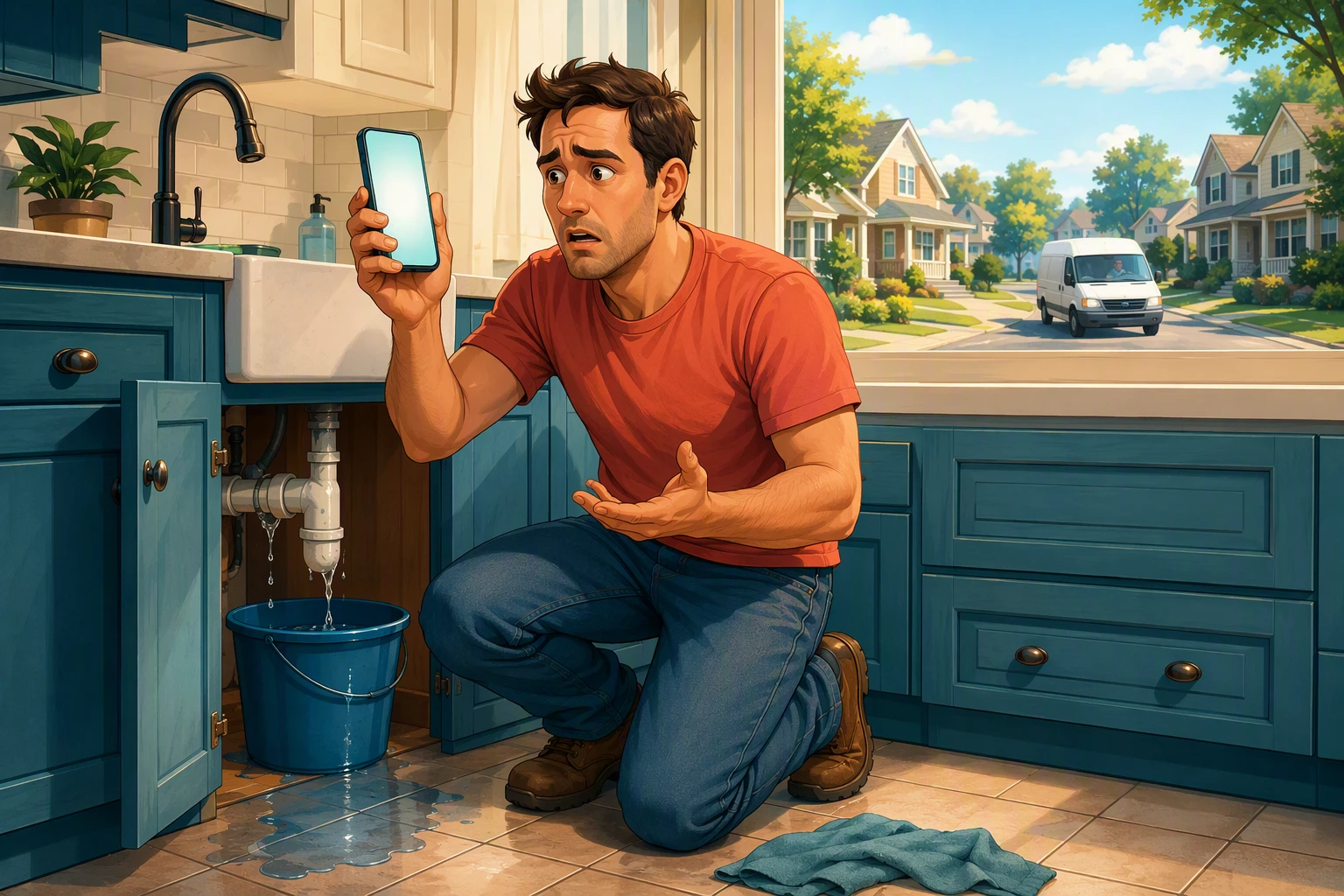
Traditional ads reach a broader local audience, but most are not ready to act.
- Use search for urgent, high-intent jobs.
- Use mailers, signs, and radio to build name recall.
- Send both audiences to a clear call or local landing page.
Match spend to intent first. Awareness helps later if buyers can find you when need hits.
Cost, Speed, and Measurable ROI
Fast wins and compounding gains
Paid search can generate calls quickly because it reaches people already looking to buy. SEO takes longer, but strong local pages can bring leads after the ad budget stops. Digital campaigns also let you track clicks, forms, calls, and booked jobs. The FTC notes that targeted ads can use browsing and demographic data to reach more relevant audiences in its advertising economics primer.
Use offline ads for local reach, then add a trackable phone number or QR code.
Do not call clicks ROI. Measure qualified leads, sales, and gross profit.
- Fund paid media for fast demand.
- Build SEO for lower long-term lead costs.
- Shift spend toward channels that create profitable jobs.
Also Read: Growth Strategy for Service Brands: 7 Digital Plays
The Website and Follow-Up Are the Growth Bridge
From attention to booked work
Ads, search results, and flyers create attention. Your website and follow-up turn that attention into booked work. A lead is someone who has shown interest by taking an action, such as submitting a form or calling, as the FTC explains.
Make the next step obvious:
- Show the service, location, proof, and clear call button.
- Send each form lead to a real person fast.
- Confirm the request, then offer a booking time.

Tip: Track each lead from source to estimate and sale. Traffic without follow-up is not growth.
Email follow-up must include a clear opt-out option under FTC CAN-SPAM guidance.
Also Read: Best Full-Service Marketing Partner for SMBs
Which Should You Choose: Digital or Traditional Marketing?
Choose digital marketing when customers actively search, compare, or need a fast response. Choose traditional marketing when local trust, broad awareness, or repeat exposure matter most.
- Start with the buyer's intent.
- Track calls, forms, and booked jobs by channel.
- Keep what produces profitable leads.
A blended plan often wins. The SBA recommends tracking every campaign, including offline ads, so you can shift budget based on results.
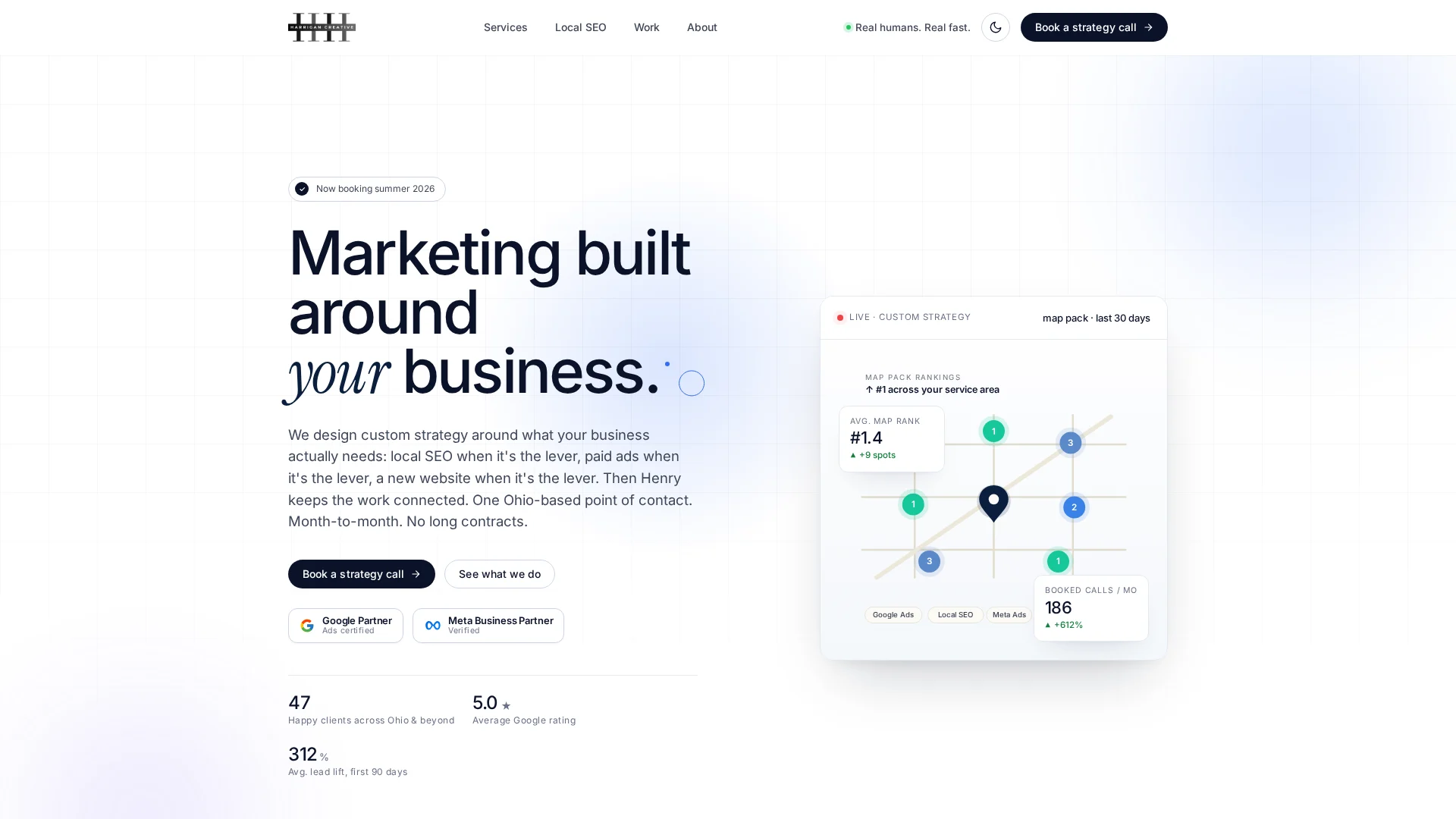
Choose channels that bring leads you can track and grow. Harrigan Creative builds local SEO, paid media, and websites around your goals.
Frequently Asked Questions
Q1: Which marketing approach drives better growth for modern businesses?
Digital marketing usually drives stronger growth because you can target intent, track leads, and adjust spend fast. Traditional marketing still helps when local reach and trust matter.
Q2: Should a small business stop using print ads?
Not always. Keep print ads if they produce calls or visits, but track each campaign with a unique phone number, offer, or landing page.
Q3: What should I fund first?
Start with a clear website, local SEO, and lead tracking. Add paid ads once your conversion path works.
Conclusion
Choose channels by customer intent, speed, and trackable sales. Digital drives demand capture; traditional builds local trust. Track every campaign, as the SBA advises, then shift spend toward results.