
How SMBs Can Choose a Paid Media Partner for Lead Generation
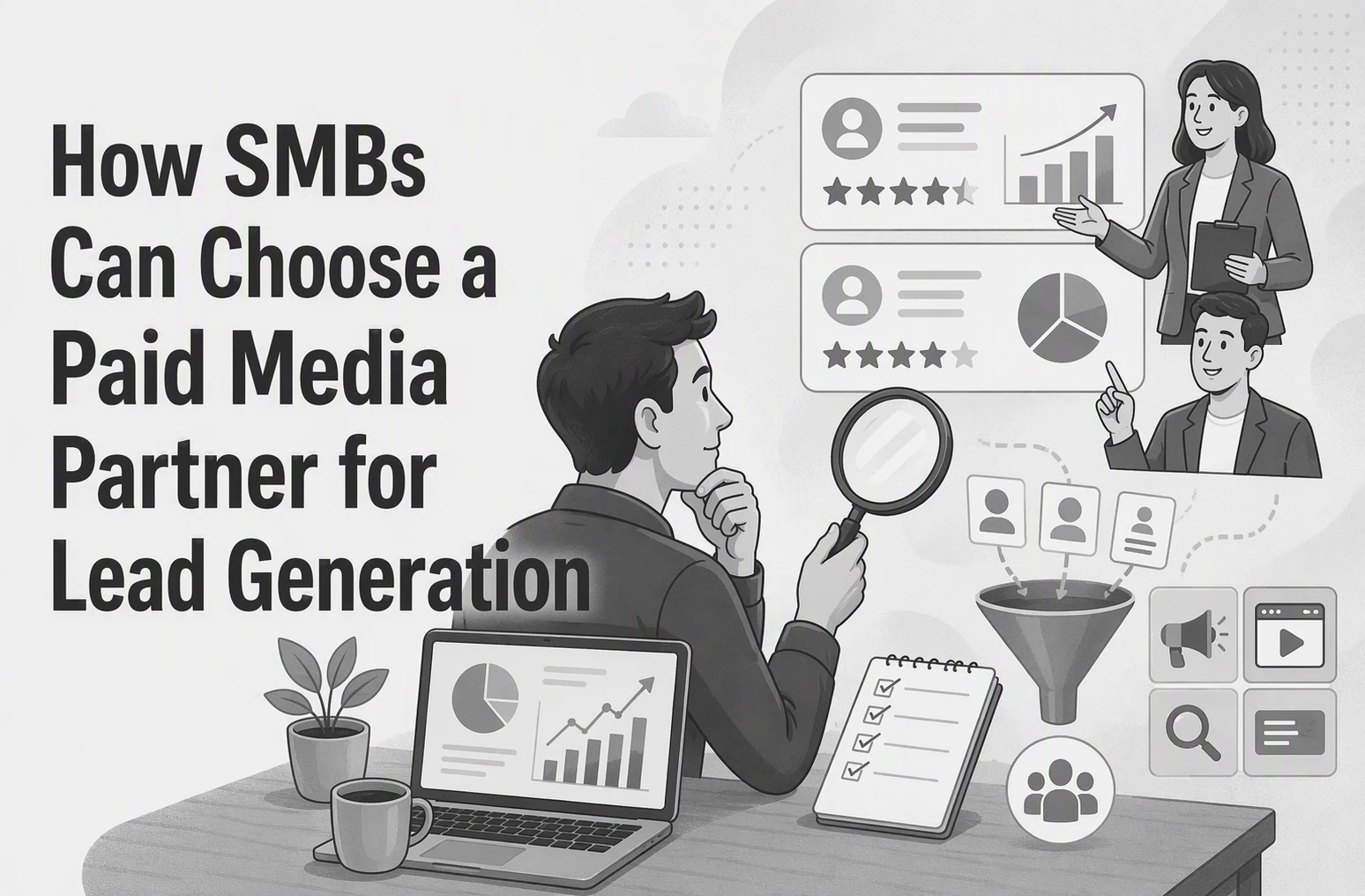
Quick Summary: SMBs waste money chasing cheap leads-like a roofer getting 120 calls but no booked jobs-because they pick partners based on volume, not actual sales value. The key is defining exactly what a sale-ready lead looks like (service area, job type, budget) and demanding proof: case studies with cost-per-qualified-lead breakdowns, call recordings, and CRM matches-not just vague promises. Partners that refuse to share ad accounts, hide fees, or can’t explain their attribution process are red flags; the best ones tie ads directly to booked jobs and revenue, not just clicks. A local roofer can get 120 lead generation ads submissions yet have no booked jobs. Many callers live outside the service area, want work the firm does not do, or never pick up.
The problem is choosing Paid Media Partners by lead volume, not sales value. This guide shows how to judge Paid Media Partners and Lead Generation Agencies by fit, tracking, and real cost per booked job. It gives SMB Paid Ads buyers a practical scorecard for comparing lead generation ads.
1. Define the Lead Your Business Is Willing to Pay For
Turn Sales Language Into Campaign Rules
Tell Paid Media Partners what a sale-ready lead means: service area, job type, budget, and contact details. Build lead generation ads around those rules, not cheap form fills. The FTC warns that lead quality claims must be truthful and backed by evidence, as its HomeAdvisor order shows.

Ask for a Qualification and Handoff Plan
Require a written plan for screening, routing, and follow-up:
- Confirm phone, location, and service need.
- Send leads to your team fast.
- Tag booked, lost, and unqualified outcomes.
Tip: Ask Paid Media Partners to report cost per qualified lead, not cost per lead.
Also Read: Best Full-Service Marketing Partner for SMBs
2. Test the Partner’s Track Record With Evidence, Not Promises
What a Useful Case Study Should Reveal
Ask for work from a business like yours, in a nearby market if possible. A strong case study shows:
- Ad spend and campaign length
- Leads, booked jobs, and cost per qualified lead
- How calls were tracked and screened
- What failed, and what changed

A headline result is not enough. The FTC says endorsements should reflect honest, supportable results, not misleading claims. Read its guidance.
Warning: “We doubled leads” means little if lead quality or close rate fell.
Use References to Verify the Working Relationship
Request two current clients and ask:
- Did reporting match your CRM and phone records?
- Were problems fixed quickly?
- Do you own ad accounts and creative assets?
Ask whether the reference was paid or rewarded. The FTC prohibits fake or false testimonials. Its rule took effect in 2024.
3. Make Measurement and Reporting a Non-Negotiable
The Metrics to Put in the Contract
Put outcomes, not clicks, in writing. Require a monthly report with:
- Ad spend and management fees
- Qualified leads, booked jobs, and cost per qualified lead
- Call recordings or lead-status notes
- Revenue from closed leads, when available
| Metric | What it shows |
|---|---|
| Cost per qualified lead | Whether leads fit your buyer |
| Booked-job rate | Sales follow-up quality |
| Revenue per lead | Real return on spend |
Tip: Agree on what counts as a qualified lead before ads launch.
Check Whether the Data Can Be Trusted
Ask for access to your ad accounts and GA4. Google notes that reports can use sampled data, which may reduce accuracy, so review the GA4 data quality indicator.
- Test every form and phone number.
- Match reported leads to your CRM.
- Confirm the attribution model used.
Also Read: Digital Marketing Agency Reviews: What to Compare
4. Compare Finalists With an SMB Partner Scorecard
A Simple Weighted Scorecard
Score each finalist from 1 to 5, then multiply by weight. Use your sales data, not a polished pitch.
| Factor | Weight | What earns a 5 |
|---|---|---|
| Qualified lead cost | 35% | Tracks booked, sales-ready leads |
| Local market skill | 25% | Clear proof in your service area |
| Attribution | 25% | Connects ads to calls, jobs, and revenue |
| Working fit | 15% | Fast replies, clear roles, shared access |
Tip: Give the scorecard to both your sales lead and owner. Big gaps expose hidden concerns.
Red Flags Before You Sign
- They report clicks but cannot define a qualified lead.
- They will not share ad accounts, landing pages, or raw lead data.
- Their contract hides setup fees, renewal terms, or exit steps.
- They promise results without reviewing your close rate or capacity.
- They cannot explain lead sources and consent. The FTC warns businesses to monitor lead-generation practices.
Choose a partner that proves lead quality, tracks every call, and fits your local market. Talk with Harrigan Creative about a paid media plan built for measurable growth.
Frequently Asked Questions
Q1: Best media buying partner for SMBs?
Choose a partner that reports qualified leads, cost per booked job, and revenue, not clicks. They should know your local market, share account access, and fit your sales process.
Q2: How do I evaluate a paid media partner’s track record in lead generation for SMBs?
Ask for results from similar businesses. Review lead sources, close rates, call recordings, and timeframes. Strong partners explain what failed, not only their best results.
Q3: What metrics should I prioritize when selecting a paid media agency for my SMB?
Prioritize cost per qualified lead, booking rate, show rate, close rate, customer value, and return on ad spend. Track each metric by campaign and location.
Q4: How can I ensure a paid media partner aligns with my SMB’s lead quality and conversion goals?
Set a written lead definition before launch. Agree on service area, job type, budget, response time, and disqualifiers. Review lead quality weekly with sales feedback.
Conclusion
Choose a paid media partner by scoring lead quality, cost, tracking, local fit, and teamwork. Demand clear reporting. The SBA recommends tracking results so you can invest in campaigns that produce real customers.