
How to Build a Digital Marketing Funnel That Generates Leads
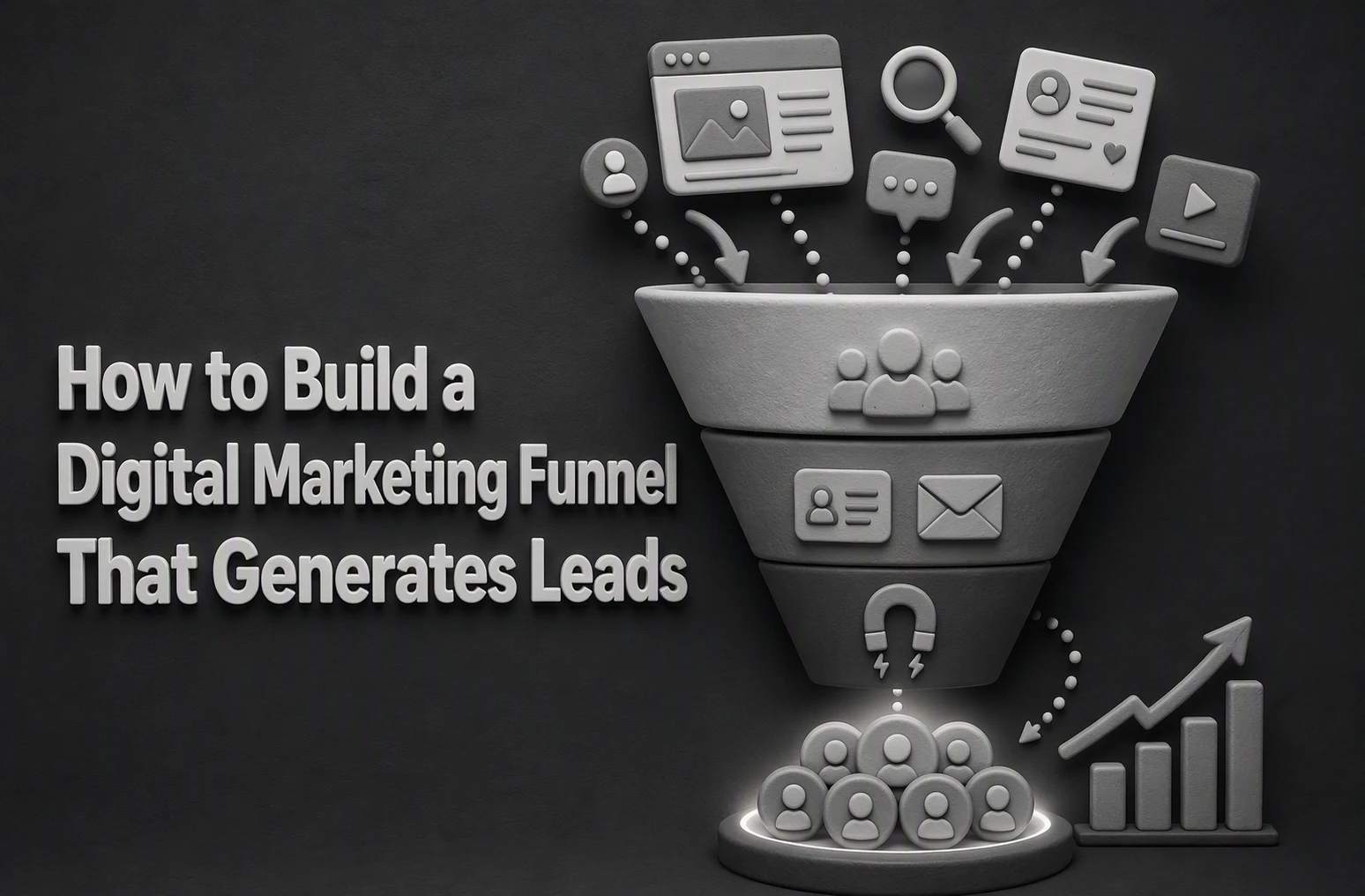
Quick Summary: A digital marketing funnel turns search and ad traffic into real leads by focusing on one clear action-like booking an HVAC repair-then matching ads, landing pages, and follow-ups to that goal. Harrigan Creative helps businesses fix leaks by tracking each step, from clicks to closed sales, and cutting poor-fit traffic with precise targeting and quick responses. The biggest mistake is sending visitors to a generic homepage instead of a direct, trust-building landing page with a simple form. Success depends on measuring which channels actually drive booked jobs, not just leads.
A local roofer can rank for emergency repairs and run Google Ads, yet lose leads on a generic homepage. The gap is often the digital marketing funnel. This guide shows how to build a digital marketing funnel that connects search, ads, landing pages, follow-up, and revenue tracking. Harrigan Creative applies these connected systems to help local businesses turn attention into qualified estimate requests.
Step 1: Define the Audience, Offer, and Funnel Goal
Choose One High-Value Conversion
Start with one action that signals real buying intent, such as a booked estimate or service call. A clear target keeps your ads, search pages, and follow-up focused.
Define your best-fit customer by:
- Location and service area
- Urgent problem or need
- Service type and likely job value
The U.S. Small Business Administration recommends using market research to assess demand, location, and pricing. Turn that insight into one simple offer: “Book a same-week HVAC repair visit.”
| Funnel goal | Best offer |
|---|---|
| More calls | Free phone consultation |
| More estimates | Book an on-site quote |
| More sales | Request service today |
Do not send cold traffic to a general contact page. Give people one clear next step.
Step 2: Attract the Right Prospects Through Search and Paid Media
Match the Message to Search Intent
Target people who are ready to act, not everyone who might be curious. Build local SEO pages and Google Ads groups around service-plus-location searches, such as “roof repair Columbus” or “emergency plumber near me.”
Use the same promise in the search result, ad, and landing page. Google advises matching keywords, ads, and landing pages closely to improve relevance and ad position in its keyword guidance.
- Ready to buy: Offer a quote, call, or booking.
- Comparing options: Show proof, pricing cues, and reviews.
- Learning: Answer the question, then offer a next step.
Add negative keywords like “jobs,” “DIY,” or “free” to avoid wasted clicks. Check real queries each week and cut poor-fit traffic.
Tip: Send each high-intent ad to the exact service page, not your homepage.
Also Read: Best Full-Service Marketing Partner for SMBs
Step 3: Convert Visitors With a Focused Landing Page
Reduce Friction and Build Trust
A landing page should drive one action: call, request a quote, or book a visit. Match its headline to the ad or search term that brought the visitor there.
Keep the form short. Ask only for details your team needs now. NN/G research shows usable forms reduce errors and make completion easier.

Build confidence before the form with:
- A clear service area
- Real customer reviews
- A local phone number
- License, insurance, or warranty details
- A plain promise about response time
Make the button specific: use "Request My Estimate", not "Submit."
Clear design and upfront details help visitors judge whether a business is credible.
Also Read: Growth Strategy for Service Brands: 7 Digital Plays
Step 4: Nurture, Qualify, and Improve the Funnel
Track the Numbers That Reveal Leaks
A lead is not revenue. Track each handoff from first click to booked job, then fix the weakest step first.
| Funnel stage | Key number | What a low result may mean |
|---|---|---|
| Traffic to landing page | Conversion rate | Offer, page, or call to action lacks clarity |
| Form or call lead | Qualified lead rate | Targeting attracts poor-fit prospects |
| Qualified lead to appointment | Booking rate | Follow-up is too slow or unclear |
| Appointment to sale | Close rate | Sales process, price, or trust needs work |
Review results by channel, service, and location. Add simple lead tags such as urgent, price shopper, or high value. That shows where good jobs begin.
- Send a quick confirmation.
- Follow up with a helpful message or call.
- Set a clear qualification rule.
- Review lost leads each month.
Keep consent records and make follow-up expectations clear. The FTC notes that lead data can move through several parties, so careful handling protects both prospects and your business. Read the FTC guidance
Turn more traffic into qualified leads with a funnel built to track revenue. Harrigan Creative connects local SEO, paid media, websites, and follow-up into one clear growth plan.
Frequently Asked Questions
Q1: How can businesses build a digital marketing funnel for leads?
Start with one clear offer, then connect local search, paid ads, and landing pages. Capture contact details, respond fast, and track which source produces booked jobs and revenue.
Q2: Which funnel stage needs the most attention?
Most local businesses lose leads after the form fill. Set instant alerts, follow up within minutes, and use a simple call or text process.
Q3: How do I measure funnel success?
Track leads, booked appointments, close rate, cost per lead, and revenue by channel. Review results monthly, then shift budget toward sources that bring profitable customers.
Conclusion
A lead funnel works when search, ads, landing pages, follow-up, and revenue tracking share one goal. Build each handoff with intent, then improve weak points. The SBA stresses guiding buyers from awareness through action and retention.