
How to Improve ROAS With Better Paid Media Campaign Tracking
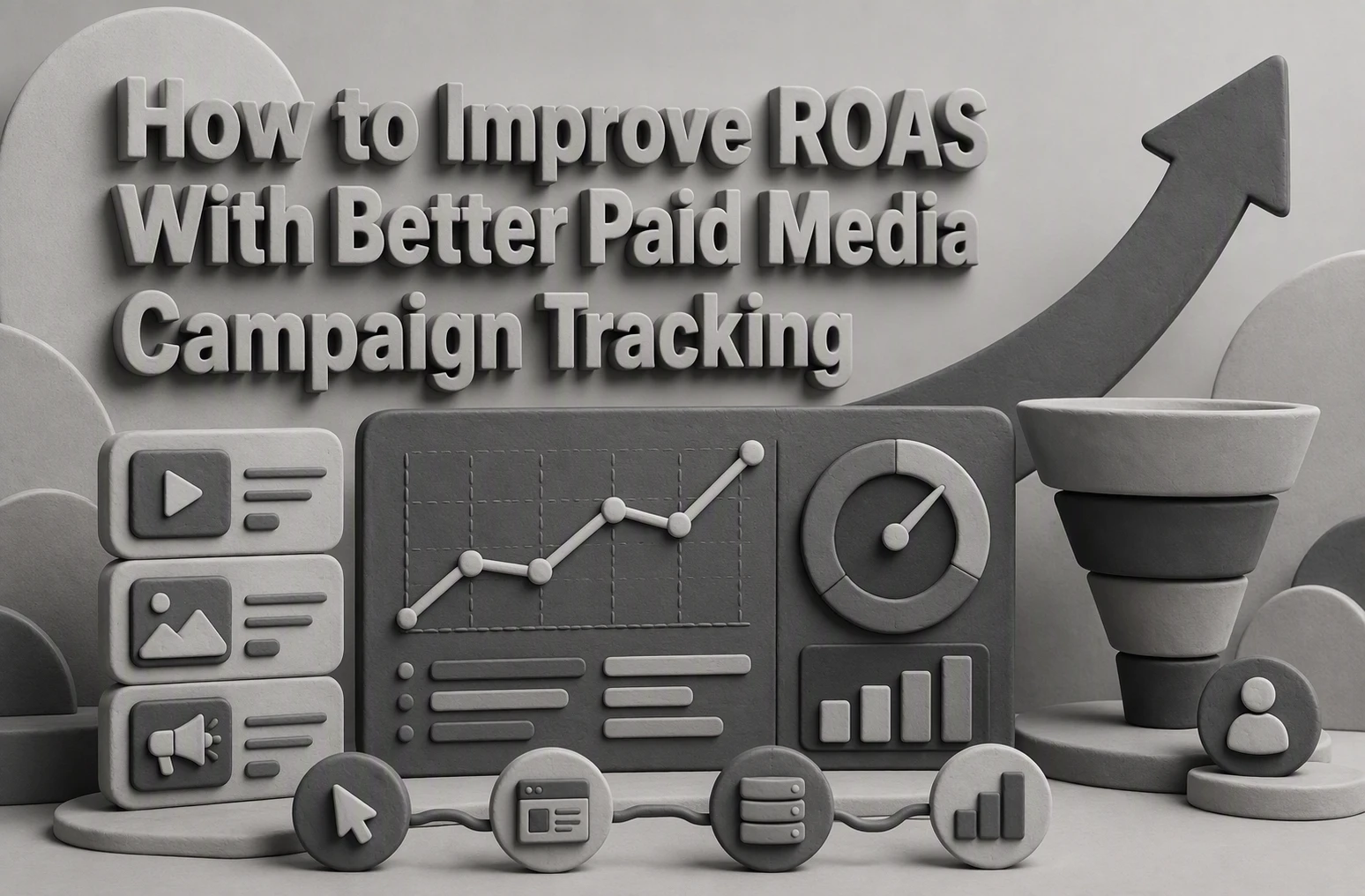
Quick Summary: Better ROAS starts with tracking leads through to qualified jobs and real revenue. Offline conversion imports help connect closed sales to campaigns, so you can fund what works and cut wasted spend.
A local roofing company may get 40 Google Ads form submissions yet still not know which campaign led to jobs that paid for the ads. That gap makes ROAS optimization guesswork. Clear tracking links clicks to qualified leads, booked work, and closed revenue. This guide shares a practical framework for finding weak data, setting useful conversion goals, and making paid media choices based on real sales.
Step 1: Define the Revenue Outcomes Your Campaigns Must Track
Separate Lead Volume From Lead Quality
More leads do not always mean more revenue. Track calls, forms, booked jobs, qualified leads, and closed sales as separate events.
ROAS optimization starts when you can see which leads become paying customers.
| Outcome | Track it as |
|---|---|
| Form fill | Lead |
| Sales-approved lead | Qualified lead |
| Won job | Revenue |
Choose Conversion Values That Reflect Business Economics
Assign values based on expected profit, close rate, and average job value. Google Ads notes that conversion values help campaigns focus on higher-value results, not just more conversions. Google's conversion value guidance supports this approach.
Use different values for low-value inquiries and high-margin services. That makes ROAS optimization and budget choices far more useful.
Step 2: Build a Consistent Tracking Path From Click to Customer
Standardize UTMs and Campaign Naming
Use one naming rule across every ad. A campaign is a defined set of ads and settings, so clean names make results easier to compare, as the FTC glossary explains.
| Field | Example |
|---|---|
| Source | |
| Medium | cpc |
| Campaign | ohio-roof-repair |

Keep labels lowercase and fixed. Do not let each team member make up their own versions.
Capture Data in the CRM and Offline Systems
Pass the UTM fields, landing page, call source, and click ID into your CRM at lead creation. Then require staff to mark lead status, booked value, and closed revenue.
- Create one lead ID.
- Tie calls, forms, and booked jobs to it.
- Send closed revenue back to the campaign report.
A web pixel can record site actions, but it cannot replace sales follow-up data. FTC research notes that pixels track actions on an advertiser’s site.
Step 3: Validate the Data Before Using It to Optimize ROAS
Run End-to-End Test Conversions
Complete a real test from ad click to form, call, or sale. Confirm the lead enters your CRM with its source and value. Google recommends using Tag Assistant to check that conversion tags fire correctly during a test conversion. Google's troubleshooting guide explains the process.

Do not raise bids until you can trace one test lead through every step.
Reconcile Differences Across Reporting Systems
Compare the same date range in ad platform, analytics, CRM, and payment records. Small gaps are normal. Click dates, conversion dates, attribution rules, and reporting delays differ. Google lists common causes of reporting gaps. Fix duplicate leads, missing values, and mismatched conversion goals first.
| Check | Expected result |
|---|---|
| Lead count | CRM matches tracked forms and calls |
| Revenue | Closed sales include real job value |
| ROAS | Uses ad spend and confirmed revenue |
Also Read: Growth Strategy for Service Brands: 7 Digital Plays
Step 4: Turn Tracking Insights Into ROAS Improvements
Optimize Toward Profitable Conversion Signals
Stop optimizing for every form fill. Assign higher values to qualified leads, booked jobs, and closed sales. Google Ads supports conversion values so you can focus bids on business impact, not raw lead count. Google's guidance explains how values help identify higher-return campaigns.
Tip: Review lead quality weekly before moving budget.
Improve the Full Funnel, Not Just the Ad
Use tracking to find the weak link, then fix it:
- Cut search terms that create poor-fit leads.
- Improve slow pages and unclear offers.
- Train staff to answer calls fast.
- Send closed revenue back into reporting.
A campaign with cheap leads can still lose money if few leads book. Track the path from click to sale, then fund the sources that produce profit.
Get clear on which ads create real revenue. Harrigan Creative can connect tracking, lead follow-up, and paid media decisions so you can spend with confidence.
Frequently Asked Questions
Q1: How can businesses improve ROAS through campaign tracking?
Track leads through calls, forms, booked jobs, and closed sales. Then shift budget toward campaigns that create profitable revenue, not cheap clicks or low-quality inquiries.
Q2: Which metrics matter most for local service ads?
Watch cost per qualified lead, booking rate, close rate, average job value, and revenue by source. These show where ad spend produces real business.
Q3: How often should I review campaign tracking?
Check core results weekly and review closed revenue monthly. This gives leads time to move through your sales process while catching waste early.
Conclusion
Better ROAS starts with tracking leads through to qualified jobs and real revenue. Offline conversion imports help connect closed sales to campaigns, so you can fund what works and cut wasted spend.